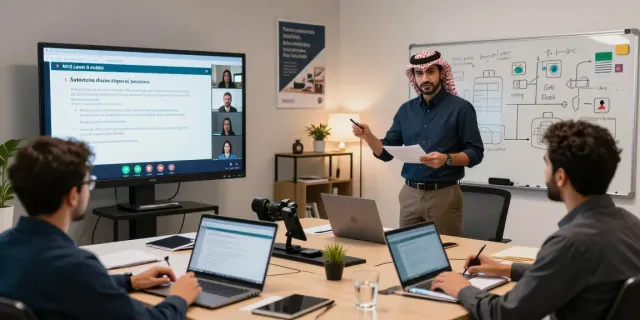
Understanding the Job Market in 2026
As we navigate through 2026, the landscape of job hunting and career advancement has evolved more rapidly than ever before. With technological advancements, shifting societal norms, and new economic trends reshaping industries, job seekers must adapt to these changes to effectively find and secure employment. This article explores the current state of the job market, examining the trends and challenges that define it while offering actionable insights for those looking to หางาน in today's dynamic environment.
Trends in Job Opportunities
Job opportunities are increasingly diverse, with a notable rise in remote work and flexibility being highly valued by candidates. The demand for roles in technology, healthcare, and renewable energy sectors continues to surge, driven by innovation and societal needs. Employers are now seeking candidates who not only possess technical capabilities but also demonstrate adaptability and communication skills. Moreover, many companies are prioritizing diversity and inclusion as fundamental components of their hiring processes, which reflects a broader societal push towards equitable workplaces.
Impact of Technology on Employment
Technology significantly impacts employment patterns, from the way jobs are advertised to the tools used for interviews. The rise of artificial intelligence (AI) and automation is reshaping various professions, leading to both the creation of new roles and the obsolescence of others. Job seekers must stay informed about technological trends and adjust their skill sets accordingly. Upskilling and reskilling have become paramount in a job market that demands proficiency in emerging technologies. Candidates are encouraged to take advantage of online courses and certifications to enhance their employability.
Emerging Industries and Roles
Several industries are gaining traction in 2026. The renewable energy sector is among the fastest-growing, driven by global initiatives to combat climate change. Additionally, fields such as data science, cybersecurity, and health technology are witnessing dramatic growth, with organizations investing heavily in these areas. As these industries expand, unique roles are being created that require specialized skills. Job seekers should focus on acquiring relevant qualifications and experience to position themselves as strong candidates in these emerging fields.
Navigating Common Job-Seeking Challenges
While the evolving job market presents numerous opportunities, job seekers also face a variety of challenges. Understanding these obstacles is crucial for developing effective strategies to overcome them.
Identifying Job Scams
As the demand for remote work increases, so do the risks associated with job scams. Unscrupulous entities often take advantage of eager job seekers by offering seemingly legitimate jobs that require upfront payments or personal information. To safeguard against these scams, candidates should verify the legitimacy of job postings by researching the company and seeking reviews from previous employees. It is essential to remain vigilant and trust one’s instincts when something feels off.
Overcoming Experience Gaps
Many job seekers face the challenge of experience gaps, particularly those entering the workforce or transitioning to new fields. Addressing these gaps requires proactive strategies. Candidates should focus on highlighting transferable skills and relevant volunteer or freelance work that can bolster their resumes. Networking can also play a pivotal role, allowing individuals to connect with industry professionals who may offer insights or refer them to potential job opportunities.
Managing Stress During Job Hunt
The job search process can be inherently stressful, with uncertainty surrounding outcomes often weighing heavily on candidates. To manage this stress, it is important to establish a structured routine that includes dedicated job search hours, regular breaks, and self-care activities. Maintaining a positive mindset and setting realistic goals can also help mitigate anxiety. Additionally, seeking support from friends, family, or professional groups can provide emotional encouragement throughout the journey.
Effective Job Application Strategies
As competition intensifies, it is vital for job seekers to adopt effective application strategies that distinguish them from others in the field.
Crafting a Standout Resume
Your resume is often the first impression potential employers have of you; therefore, it is crucial to make it count. Tailoring your resume to align with the job description can significantly improve your chances of catching an employer’s attention. Utilize concise bullet points to showcase accomplishments and quantify successes wherever possible. Moreover, incorporating keywords relevant to the job will help navigate through Applicant Tracking Systems (ATS) that many companies utilize.
Networking in the Digital Age
In today's digital world, networking has taken on new forms, especially through platforms like LinkedIn. Actively engaging with industry professionals, joining relevant groups, and participating in discussions can enhance your online presence and open doors to job opportunities. Networking is not merely about seeking job leads; it is about building genuine relationships that can lead to collaborative opportunities and mentorship.
Leveraging Social Media for Opportunities
Social media can be a powerful tool in your job search. Platforms such as Twitter, Facebook, and Instagram offer unique avenues to connect with companies and recruiters. By sharing industry-relevant content, engaging with businesses, and showcasing your expertise, you can enhance your visibility to potential employers. However, it is crucial to maintain a professional online persona, as employers often review candidates' social media profiles as part of the hiring process.
Preparing for Interviews in 2026
As interviews evolve, job seekers must be prepared for a variety of formats and expectations in 2026.
Types of Interview Formats
Interviews can differ significantly, from traditional face-to-face meetings to virtual sessions conducted via video conferencing platforms. Understanding the format of your interview is crucial for preparation. For virtual interviews, ensure you have a professional background, reliable internet connection, and practice using the technology beforehand to avoid any technical hiccups. Additionally, familiarize yourself with common interview questions and prepare thoughtful responses that highlight your relevant experiences.
Common Interview Questions
While the specific questions can vary by industry and role, some staples remain. Be ready to discuss your strengths and weaknesses, and provide examples of how you’ve handled challenges in the past. Practicing responses to behavioral questions using the STAR method (Situation, Task, Action, Result) can help you articulate your experiences effectively. This structured approach allows you to convey your capabilities clearly and compellingly.
Researching Potential Employers
Before attending an interview, doing thorough research on the company is essential. Understanding the company's mission, values, culture, and recent developments can facilitate meaningful conversations during the interview. Furthermore, formulating questions based on your research demonstrates genuine interest and engagement. Employers appreciate candidates who are informed and invested in their organization.
Future-Proofing Your Career
In a rapidly evolving job market, ensuring job security involves proactive career management.
Continuous Learning and Skill Development
Ongoing education and skill enhancement are vital in keeping pace with industry changes. Pursuing certifications, attending workshops, and engaging with professional development opportunities can significantly boost your marketability. Moreover, consider exploring emerging skills that align with future trends, such as AI literacy or data analysis, to maintain your competitive edge.
Adapting to Workplace Changes
Flexibility and adaptability are crucial traits in today's work environment. Organizations are increasingly embracing hybrid work models and agile methodologies, requiring employees to be nimble in their roles. Emphasizing these qualities during job applications and interviews can set you apart. Being open to change and willing to upskill as needed will make you a valuable asset to any team.
Creating a Personal Brand
In 2026, establishing a personal brand is more important than ever. Your brand reflects your professional image, values, and expertise. Utilize social media and professional platforms to showcase your achievements, insights, and skills. Your online presence should align with your career goals, creating a cohesive narrative that resonates with potential employers. A strong personal brand can lead to increased opportunities and networking connections.
What are the key job searching strategies for 2026?
Key strategies for job searching in 2026 include leveraging technology for job alerts, using networking platforms for connections, and tailoring resumes and applications to specific roles. Candidates should also prioritize developing their digital presence and continuously enhancing their skills to align with industry demands.
How do I identify legitimate job offers?
Identifying legitimate job offers requires thorough research of the company, seeking reviews from current and former employees, and being cautious of offers that seem too good to be true. Verification of the company’s credentials can also help prevent falling victim to scams.
What skills will be in demand in the coming years?
Skills likely to be in demand include technical prowess in areas such as data analysis, cybersecurity, and software development, as well as soft skills like emotional intelligence, critical thinking, and effective communication.
What should I include on my resume for 2026?
Your resume should highlight both hard and soft skills, quantify achievements, and include relevant keywords pertinent to the job you are applying for. Tailoring your resume for each application can increase your chances of passing through the initial screening stages.
How can networking impact my job search?
Networking can significantly enhance your job search by opening up opportunities, allowing you to gain insights into industry trends, and connecting you with potential mentors. Building a strong professional network can lead to referrals and recommendations that bolster your applications.